Celiana: A Decorative Typeface for Delightful Web Design
I was recently redesigning a landing page for a boutique botanical shop, and I needed a heading font that could whisper charm without shouting for attention. The body copy was already locked in — a clean, modern sans serif — but the hero section needed something with personality, something that felt handcrafted and warm. That is exactly when I pulled Celiana into the test layout. Within minutes, I knew this decorative font was going to be the visual anchor of the entire brand experience.
What Makes Celiana Stand Out in a Digital Environment
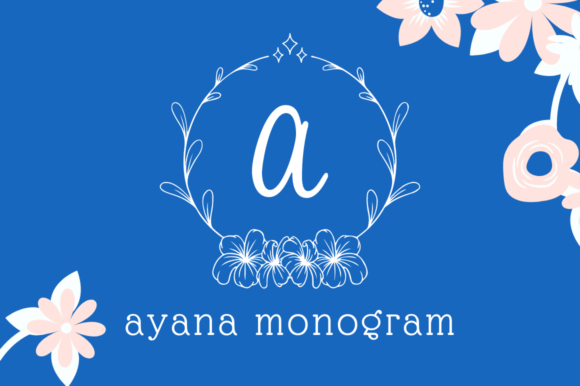
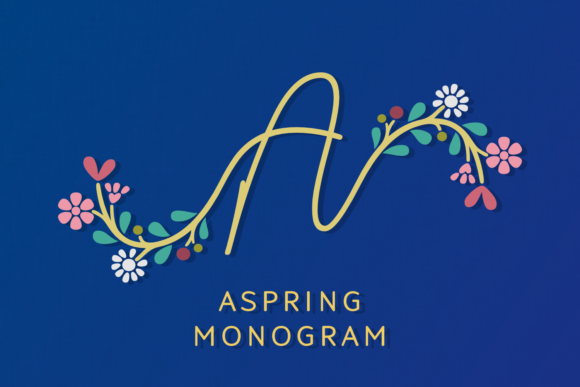
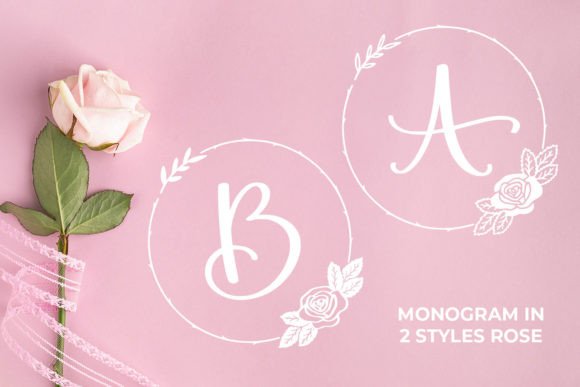
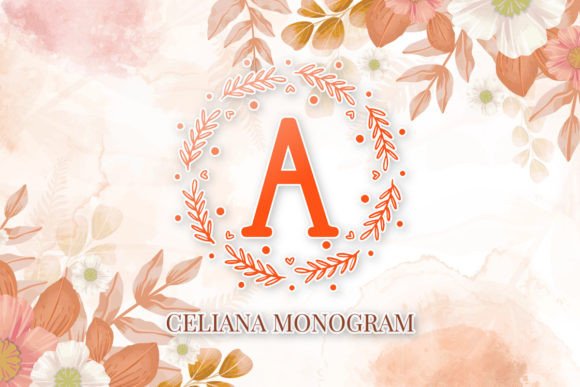
Celiana is a cute decorative font defined by its beautiful flower monograms and authentic, hand-drawn feel. In a digital landscape where so many typefaces feel sterile or overly mechanical, Celiana brings a refreshing sense of warmth and artistry. The letterforms have a gentle, flowing quality that immediately evokes stationery, weddings, and cottagecore aesthetics — but do not let that pigeonhole it. When placed strategically on a web page, Celiana can elevate a brand from generic to memorable.
The flower monograms are not just an afterthought; they are the centerpiece of this typeface’s personality. Each character feels thoughtfully ornamented without being illegible. For a web designer, that is a delicate balance. Many decorative fonts sacrifice readability for flair, but Celiana manages to keep its letterforms distinct enough to work as display text. The overall mood is romantic, playful, and intentionally imperfect in a way that feels genuine rather than sloppy.
What I appreciate most as a designer is how Celiana communicates emotion instantly. When a user lands on a page and sees that font in a hero heading, they immediately understand the brand’s tone: thoughtful, creative, and human. In an age of cookie-cutter templates, that kind of instant emotional connection is gold.
Testing Celiana in Real Web Layouts
I tested Celiana across several digital scenarios to understand where it shines and where it struggles. Here is what I found.
Hero Sections and Landing Page Headlines
This is where Celiana truly belongs. I used it for the main headline on a landing page for a wedding photography portfolio, and the result was stunning. The flower monograms added a delicate, romantic flourish that perfectly matched the brand’s visual identity. The headline read beautifully at 48px on desktop, and the letter spacing felt natural. I paired it with a light serif for the subheading and a neutral sans serif for the body copy, and the hierarchy was clear and inviting.
For a creative coaching website, I placed Celiana in the hero section with a soft background image of botanicals. The font sat comfortably over the image at 56px, and I added a slight text shadow to ensure readability. The client immediately felt the font captured the nurturing, creative energy they wanted to project. That kind of emotional alignment is rare with standard web fonts.
Call-to-Action Buttons and Short Phrases
Celiana can work on buttons, but only if you keep the text short and the size generous. I tested it on a call-to-action button reading “Shop the Collection” at 20px. It was readable but tight. At 24px and above, the button text felt much more natural. For smaller buttons or secondary actions, I would recommend switching to a simpler companion font. Celiana is a display font at heart, and it performs best when given room to breathe.
Short phrases like “Limited Edition,” “New Arrival,” or “Handmade with Love” look gorgeous in Celiana. I used it for a series of category badges on an online boutique store, and those small decorative touches made the product pages feel curated and premium.
Blog Headers and Section Titles
For blog content, Celiana works beautifully as a section title font. I applied it to h2 headings in a lifestyle blog, and it created a lovely contrast against the clean body text. The flower monograms added a whimsical touch that made the blog feel more like a magazine. Just keep the line height generous — decorative letterforms need vertical space to avoid feeling cramped.
In a digital brand kit for a handmade soap company, I used Celiana for the brand name in the website header and for key section titles like “Our Story” and “Shop Favorites.” The typeface gave the entire brand a cohesive, artisanal identity that carried through every page.
Readability and Responsive Considerations
Celiana is not a font you want to use for body copy, long paragraphs, or small text. At sizes below 18px, the decorative details start to blur, especially on mobile screens. I tested it on an iPhone 13 at 16px, and the flower monograms became difficult to distinguish. For mobile hero sections, I recommend keeping Celiana at 32px or larger, and always test it on multiple devices before committing.
On dark backgrounds, Celiana performs well if you give it enough contrast. I used it on a deep olive background with white text, and the letterforms popped beautifully. On light backgrounds, a darker shade works fine, but avoid placing it over busy or high-contrast images without a subtle overlay or text shadow. The decorative details can get lost if the background is too noisy.
For responsive design, plan your breakpoints carefully. Celiana may need size adjustments at different screen widths to maintain its readability and visual impact. I found that scaling the font size up by about 10% on tablet and mobile helped preserve the charm without sacrificing legibility.
Font Pairing for Modern Web Projects
Celiana is a decorative display font, which means it needs a reliable partner for body copy and supporting text. Here are pairings that worked well in my tests.
- Clean Sans Serif: A neutral sans serif like Poppins, Lato, or Open Sans creates a beautiful contrast. The simplicity of the sans serif lets Celiana take center stage while keeping the overall layout professional and readable.
- Light Serif: For a more editorial or romantic feel, pair Celiana with a light serif like Lora or Merriweather. This combination works wonderfully for wedding websites, lifestyle blogs, and creative portfolios.
- Handwritten Font: If you want a fully handcrafted look, you can pair Celiana with a subtle handwritten font for accents and quotes. Just be careful not to overwhelm the page — too many decorative fonts can feel chaotic.
I personally prefer the sans serif pairing for most commercial projects. It keeps the design grounded and accessible while allowing Celiana to add its unique personality. For a boutique online store, I used Celiana for the brand name and product section titles, with a clean sans serif for product descriptions and navigation. The result was a cohesive, trustworthy, and visually interesting website.
Technical Details Every Web Designer Should Check
Before using Celiana on a live project, there are a few practical aspects to verify. First, check the file formats provided with your license. If you are embedding the font on a website, you will need webfont formats like WOFF and WOFF2. Many premium fonts include these, but confirm before purchasing.
Second, review the included styles, alternates, ligatures, and swashes. Celiana may offer multiple variations of certain letters or decorative flourishes that you can activate via CSS. These alternates can add even more personality to your headings, but they require some familiarity with OpenType features.
Third, check multilingual support if your audience speaks languages beyond English. Decorative fonts sometimes have limited character sets, so verify that Celiana covers the accents and characters you need.
Finally, always review the commercial font licensing. If you are using Celiana on a client website, a commercial license is typically required. Some licenses restrict webfont usage or limit the number of page views. Read the terms carefully to avoid legal issues down the road.
Where Celiana Fits in the Web Design Landscape
Celiana is not a font for every project. If you are designing a high-traffic e-commerce site with dense product information, a minimalist SaaS dashboard, or an accessibility-focused government portal, this is not the typeface you want. It is decorative by nature, and its charm comes from its ornamentation, not its utility.
But for creative brands, wedding-related services, artisan shops, lifestyle bloggers, portfolio sites, and any project where emotion and personality matter more than raw efficiency, Celiana is a wonderful choice. It brings a handmade, thoughtful quality to digital spaces that often feel too polished or impersonal.
I have added Celiana to my personal toolkit for client projects that need a touch of whimsy and elegance. It is not a workhorse font — it is a specialty typeface that shines in the right context. If you are a web designer looking to create digital brand experiences that feel warm, creative, and genuinely human, Celiana deserves a place in your next layout test.